IVORY BOARD
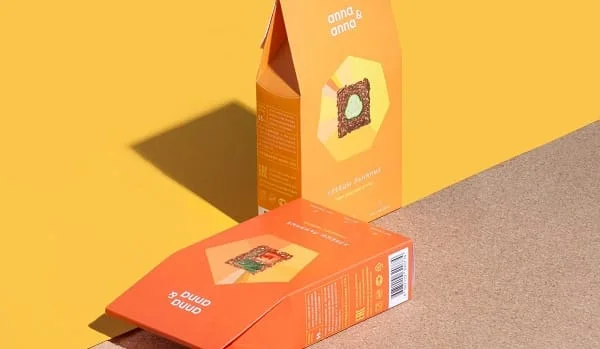
A paper with two different sides: one glossy and one matte. High thickness and stiffness. Widely used in printing and production for packaging, shoe boxes, wine packaging, matchboxes, toothpaste boxes, cosmetic packaging, pharmaceuticals, etc.
- Common grammage: 210 – 230 – 250 – … – 400 gsm.
KRAFT PAPER
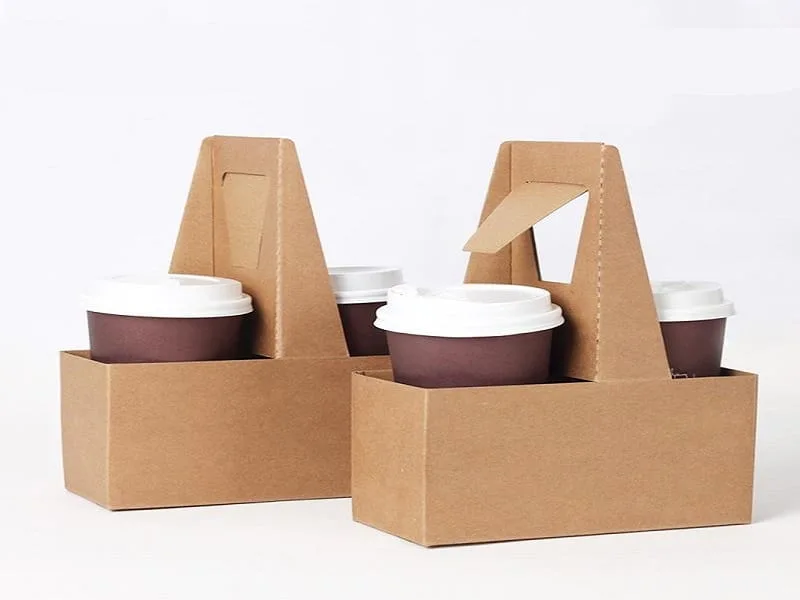
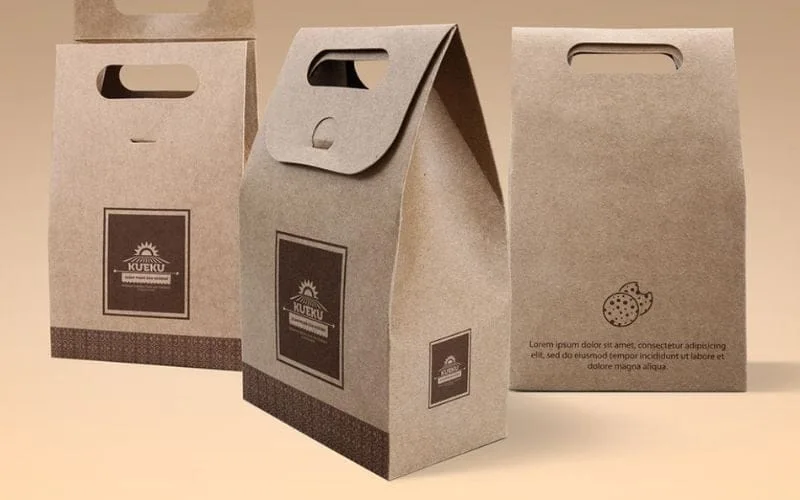
A paper that is firm, tough and relatively coarse, with high tensile and tear strength and good ink absorption. Commonly used to make packaging such as carrier bags, envelopes, gift wrap, liners, etc.
- Common grammage: 70 – 80 – 100 – … – 250 gsm.
FINE ART PAPER
A concept that is still fairly new to many customers, but no longer unfamiliar to packaging manufacturers and printers. It is a premium paper line used in printing technology. It comes in a wide variety of types, colors, patterns and textured ribs, and fine art paper gives any product a creative, individual character.
- Commonly used for: gift bags, shopping bags for fashion shops, gift boxes, file covers, etc.
- Common grammage: 120 – 150 – … – 250 gsm.
CARTON BOARD
A kind of carton board that is much stiffer than ordinary paper. It is fairly durable, has high load-bearing capacity and is favored by packaging manufacturers. Although it can still absorb water and tear easily, it is extremely environmentally friendly. For this reason, carton board is still widely used in every industry. Commonly used for: shipping cartons, boxes for fashion products, book covers, cards, etc.
- Common grammage: 120 – 150 – 300 – … – 400 gsm.
COATED ART PAPER
A paper with a glossy, smooth, even surface that prints bright, eye-catching images. Commonly used to print calendars, flyers, brochures, etc. Coated art paper also comes in two types: the first is regular coated paper as described above. The second is matte coated paper: a paper with a matte, non-glossy but smooth surface. It is often used to print images of people, portraits, etc., for a high-impact effect.
BRISTOL BOARD
A grade higher than coated art paper: thicker and more bulky, with a slightly glossy, smooth surface. Commonly used to print folder covers, notebook covers, catalog covers, brochures, cards, etc.
- Common grammage: 200 – 230 – … – 350 gsm.
DUPLEX BOARD
A paper with a white, smooth face close to bristol board, and a darker, matte back like mounting board. Commonly used to print product boxes of fairly large size that need stiffness and strength.
- Duplex comes in 2 types:
- single-sided duplex: 1 white side and 1 grey side.
- double-sided duplex: 2 white sides.
- Common grammage: 200 – 230 – … – 500 gsm.